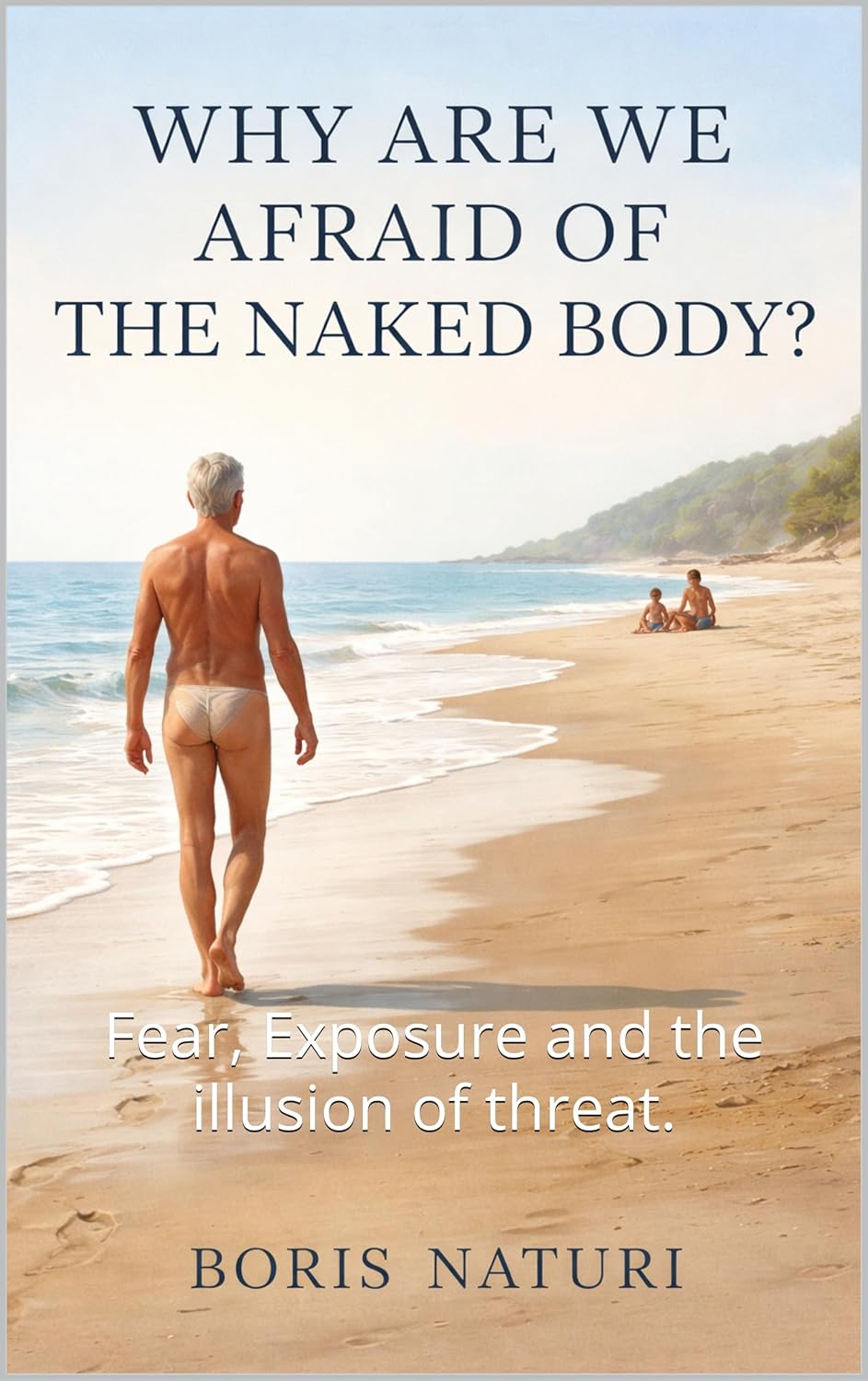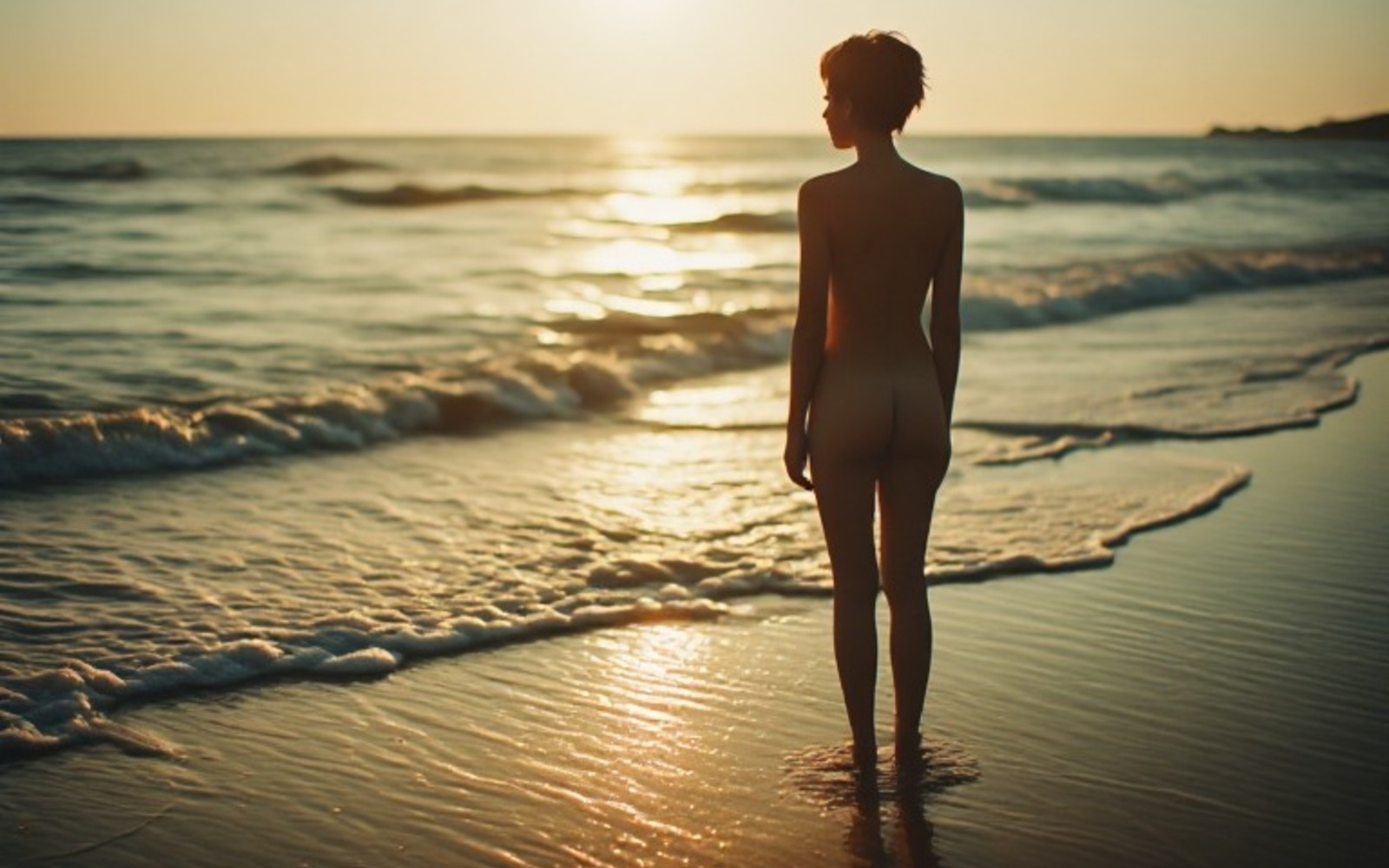
We see the human body everywhere. In art. In advertising. In film. In history. Yet the ordinary naked body — not styled, not lit, not selling anything — can still make us look away. Why?
Part of the answer is straightforwardly cultural rather than biological. Anthropologists have long pointed out that plenty of societies throughout history, and some today, treat casual nudity as unremarkable, while others treat even an exposed shoulder as scandalous. There is nothing universal or inevitable about the discomfort — it’s learned, and learned early, usually well before a child has any conceptual framework for why.
Shame did most of the work
A great deal of modern Western discomfort with nudity traces back to specific religious and moral traditions that framed the body — and particularly its exposure — as something requiring control, modesty and concealment. Whatever one’s own beliefs, it’s worth separating the theological argument from the psychological residue it left behind: centuries of associating nakedness with sin, temptation or shame don’t simply switch off because someone stops attending church. The association gets inherited culturally, passed down through parenting, schooling and law, long after its original justification has faded from most people’s conscious reasoning.
The commercial layer
Modern advertising and media added a second, more recent layer on top of the older religious one. The body became something to be sold — airbrushed, idealised, presented almost exclusively in contexts designed to generate desire or anxiety about desirability. The effect is paradoxical: we are shown more bodies than any generation in history, yet an ordinary, un-idealised naked body — a real stomach, real skin, real asymmetry — can feel more shocking than a magazine cover, precisely because it hasn’t been edited into a sales pitch. What we’ve normalised isn’t nudity; it’s a narrow, commercial version of it.
Fear of judgement, not fear of skin
Talk to people who’ve tried naturism and a consistent theme emerges: the discomfort was never really about seeing bodies, or even about being seen. It was about anticipated judgement — the imagined reaction of other people, projected forward, usually far harsher than what actually happens. Most naturist beaches and clubs report the opposite of the imagined scenario: a marked drop in body-consciousness once people realise nobody is scrutinising anyone, because everyone there is in the same position.
What loosens the discomfort
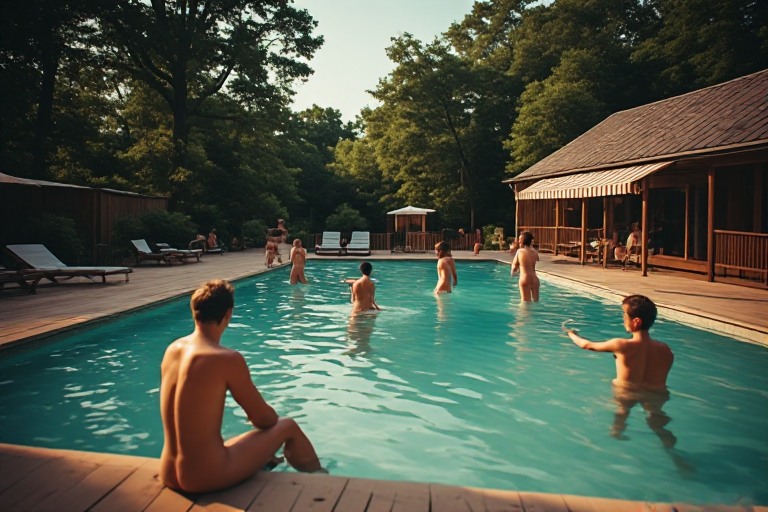
Exposure — in the psychological sense, not the legal one — is the most consistently reported factor. People who spend time in non-sexual nude contexts, whether a naturist beach, a sauna culture, life drawing classes or simply time alone, tend to report a gradual, almost boring normalisation of the naked body: their own and other people’s. Boris Naturi explores this shift at length in Have You No Shame, tracing how inherited shame gets absorbed early and how it can, with deliberate attention, be unlearned rather than simply endured.
None of this requires anyone to change how they live. But understanding where the discomfort actually comes from — inherited shame and commercial idealisation, rather than anything essential about bodies themselves — makes it a lot easier to examine, rather than simply obey.